Understanding Acne Scars: What They Are and Why They Form
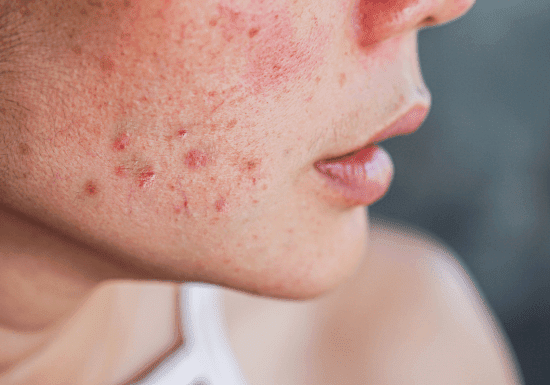
Acne scars develop when inflammation from acne damages the skin’s deeper layers. As the skin heals, collagen production may be insufficient or excessive, leading to uneven texture or raised marks. This is why over-the-counter creams alone often cannot fully address established scars.
Common contributors include:
- Delayed or improper acne treatment
- Repeated picking or squeezing of pimples
- Severe or cystic acne
- Genetic healing response
Knowing the type of acne scar is essential, as treatment effectiveness depends on accurate diagnosis by a medical professional.
Types of Acne Scars Commonly Seen in Singapore Patients
Atrophic (Depressed) Acne Scars
These are the most common and include:
- Ice pick scars—deep, narrow indentations
- Boxcar scars—wider, well-defined depressions
- Rolling scars—wave-like texture caused by fibrous bands
Hypertrophic and Keloid Scars
Raised scars caused by excess collagen production are more commonly seen on the jawline, chest, or back. These may be more prevalent in individuals with darker skin tones.
Post-Inflammatory Hyperpigmentation (PIH)
While not true scars, dark marks after acne are a frequent concern in Singapore’s tropical climate and require targeted treatment.
Acne Scar Treatment in Queenstown: How Medical Treatments Work
Professional acne scar treatment in Queenstown focuses on stimulating controlled skin repair, collagen remodeling, or scar release, depending on the scar type and skin condition.
Laser-Based Acne Scar Treatment
Medical lasers deliver controlled energy to resurface skin or stimulate collagen production in deeper layers. These treatments are commonly used for textural scars and uneven tone.
Laser treatments require:
- Skin type assessment
- Gradual sessions rather than a single treatment
- Strict post-treatment sun protection
Microneedling and Radiofrequency Microneedling
Microneedling creates micro-channels in the skin to trigger natural healing. When combined with radiofrequency, heat energy further stimulates collagen formation.
This approach is often considered for:
- Rolling scars
- Mild to moderate atrophic scars
- Patients seeking minimal downtime options
Subcision for Deep Acne Scars
Subcision involves releasing fibrous bands pulling the skin downward. This allows the skin surface to rise naturally over time as collagen rebuilds.
It is typically used for:
- Rolling scars
- Long-standing depressed scars
Chemical Peels and Medical-Grade Skin Resurfacing
Chemical peels help improve superficial scars and pigmentation by encouraging skin renewal. The depth and formulation are selected based on skin type and tolerance.
Peels are often combined with other modalities rather than used alone for deep scars.
How to Get Rid of Acne Scars: What to Expect Realistically
Many patients search online for how to get rid of acne scars, but it’s important to set realistic expectations. Acne scars usually improve gradually rather than disappear completely.
Key points to understand:
- Multiple sessions are often required
- Combination treatments may be recommended
- Improvement is progressive, not instant
- Maintenance skincare is essential
Results may vary. A medical consultation is required.
Pimple Scar Removal vs Acne Scar Treatment: What’s the Difference?
The term “pimple scar removal is commonly used, but medically, scars are not “removed.” Instead, treatments aim to improve skin texture, depth, and appearance.
- Active pimples require acne control first.
- Pigmentation marks respond differently from true scars
- Structural scars need procedural treatment
A proper consultation helps determine whether you need acne management, scar treatment, or both.
Is Acne Scar Treatment Suitable for All Skin Types?
Singapore’s population includes a wide range of skin tones, making treatment customization essential.
Most treatments can be adjusted for:
- Asian skin types
- Sensitive or acne-prone skin
- Patients prone to pigmentation
Safety protocols, such as conservative energy settings and post-procedure care, are important for reducing risks, such as post-inflammatory hyperpigmentation.
Safety and Medical Considerations in Singapore
When seeking acne treatment in Queenstown, ensure the clinic follows local regulations and ethical medical advertising standards.
Key safety considerations:
- Treatments should be prescribed or supervised by a registered medical practitioner
- Devices and products should be HSA-approved
- Claims should be educational, not guaranteed
Always disclose:
- Current medications
- Skin conditions
- Pregnancy status
- History of keloid scarring
Acne Scar Treatment Cost in Singapore: What Influences Pricing?
The acne scar treatment cost in Singapore varies depending on several factors. Clinics typically assess these during consultation rather than quoting fixed prices online.
Cost is influenced by:
- Type and severity of acne scars
- Treatment modality (laser, microneedling, subcision)
- Number of sessions required
- Combination treatment plans
- Doctor's expertise and clinic location
Because acne scars differ from person to person, individualized treatment planning is standard practice.
What Happens During a Consultation in Queenstown?
A consultation usually includes:
- Detailed skin assessment
- Scar classification
- Discussion of treatment options
- Expected outcomes and limitations
- Potential risks and downtime
This step ensures the treatment plan aligns with your skin needs and medical history.
Results may vary. A medical consultation is required.
Aftercare and Long-Term Skin Maintenance
Post-treatment care plays a critical role in outcomes.
General aftercare may involve:
- Sun protection with broad-spectrum sunscreen
- Gentle skincare routines
- Temporary avoidance of active ingredients
- Follow-up appointments
Maintaining acne control is equally important to prevent new scars from forming.