





Is skin resurfacing safe?
Yes, skin resurfacing is safe when performed by trained professionals. The laser systems we use are US FDA-cleared for cosmetic treatments and can take years off your skin in one to two treatments.
Does the procedure hurt?
You may feel a series of brief pinches as the pulses of light treat the skin. However, this can still depend on the individual, as each patient has varying levels of pain tolerance. Numbing creams can be applied before the treatment to reduce any discomfort.
What should I expect after the procedure?
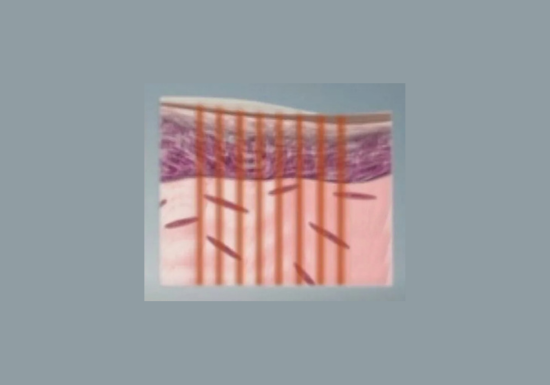
Following treatment, your skin may appear red and feel tight, similar to a mild sunburn. Skin peeling typically begins around the 3rd or 4th day and continues for about a week. Avoid picking or scrubbing the skin to allow for natural healing. For fractional laser treatments, swelling and redness may occur, but discomfort is usually minimal, and you can resume normal activities in a few days.
How many treatments do I need?
While results can be seen after just one treatment, most patients require two sessions for optimal results. To maintain your rejuvenated look, a good skincare routine and occasional touch-ups are recommended.
When will I see the results?
You’ll notice initial improvements in your skin after 3-5 days, as the outer layer of skin begins to peel away. Full results are visible within 1-2 weeks, with continued improvement over the next 3-6 months as new collagen forms.
Are there any side effects or downtime?
The most common side effects are temporary redness, swelling, and peeling. Downtime varies depending on the depth of the treatment, but most patients experience a 3–5-day recovery period. During this time, avoid sun exposure and follow post-care instructions to prevent complications.
Who is a good candidate for skin resurfacing?
Ideal candidates are those with mild to moderate sun damage, fine to medium wrinkles, or acne scars. Skin resurfacing is suitable for light to medium skin tones and is less recommended for individuals with darker skin tones due to the risk of hypopigmentation.


