

Melasma
You’ve tried brightening creams, but the patches on your face do not fade or keep coming back. Makeup can cover them, but show through again after a few hours. Melasma is a common pigmentation concern in Singapore, where UV exposure stays high all year. While it isn't harmful, it can affect how you feel about your skin.
Not all melasma is the same. Some are triggered by hormones, such as pregnancy or the pill, and may fade on its own, while others can persist for years. Some of them appear in the upper layer of the skin, and some sit deeper. Many people can have a combination, which is why the first step is working out which type you have.
What is melasma?
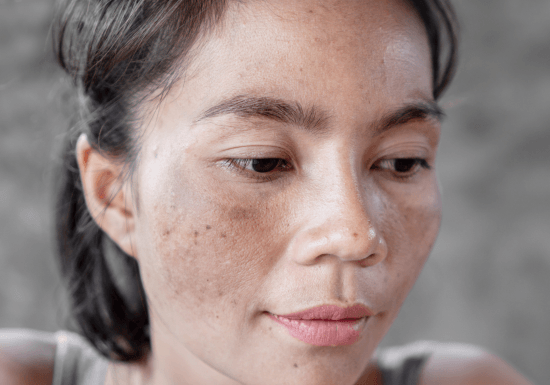
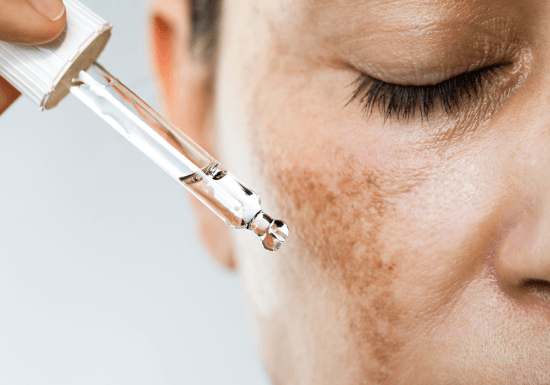
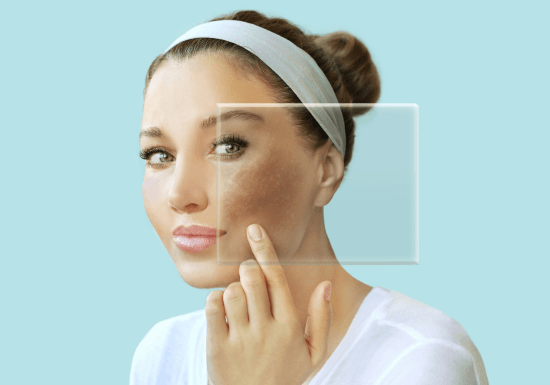
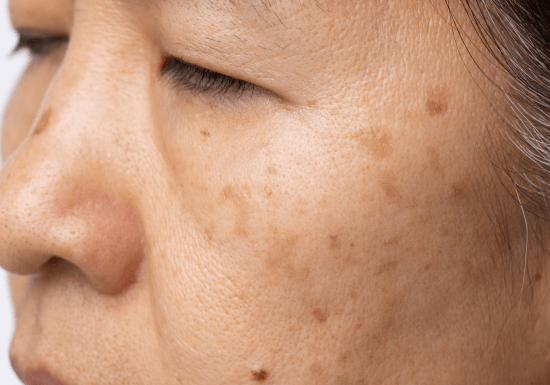
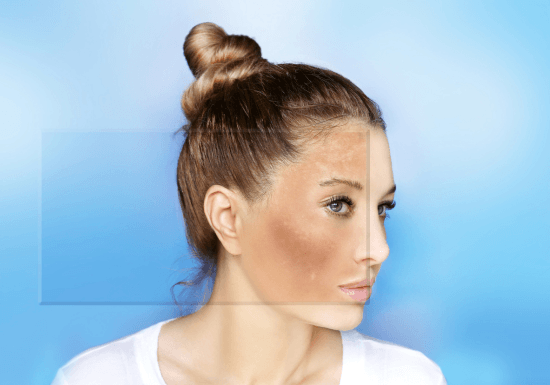
Also called chloasma, melasma is a common, chronic, and recurring form of hyperpigmentation. It shows up as brownish or grayish patches, usually on the face, most often on the forehead, cheeks, bridge of the nose, chin, and above the upper lip.
Melasma can also appear on other sun-exposed areas, such as the neck and forearms. It's sometimes referred to as the "mask of pregnancy" because it's common during pregnancy, usually developing around the second or third trimester.
It's more common in people who:
- have darker skin tones
- have more active melanocytes, the cells that produce pigment
- live in places with intense sun exposure all year round
Melasma can also extend into deeper layers of the skin, which is part of why it can be challenging to treat.
Melasma can follow different courses:
- Hormone-triggered: linked to pregnancy, perimenopause, or starting or stopping birth control pills or hormone replacement. When pregnancy or the pill is the trigger, it may fade on its own, within 3 to 12 months of delivery, once breastfeeding ends, or after the medication stops. However, it doesn’t fade for everyone.
- Persistent: for many, melasma can last for years or permanently, and can return even after the patches have been successfully lightened.
- Sun- and heat-triggered: UV rays and heat activate melanocytes, so patches often darken in summer or with heat exposure.
Types of Melasma
- Superficial (epidermal) melasma: the pigment sits in the upper layer of the skin (the epidermis). These are usually light to dark brown with well-defined borders and to respond better to treatment than the others.
- Dermal melasma: the pigment sits deeper, in the dermis. Patches tend to look bluish-gray or ash-gray, with less clearly defined borders. As the pigment is deeper, it is harder to reach and tends to respond more slowly to topical treatments.
- Mixed melasma: the pigment sits in both layers, so patches show a mix of brown and gray tones. Mixed melasma is common, and it often responds more slowly than the superficial type.
Your doctor can assess the type by examining your skin, sometimes with a Wood’s lamp or a dermoscope, a handheld device that magnifies the skin.
In deeper skin tones, a Wood’s lamp can be less reliable, so the type may also be judged from how the patches look and respond to treatment. Many people have more than one type, which is why a proper assessment is recommended.
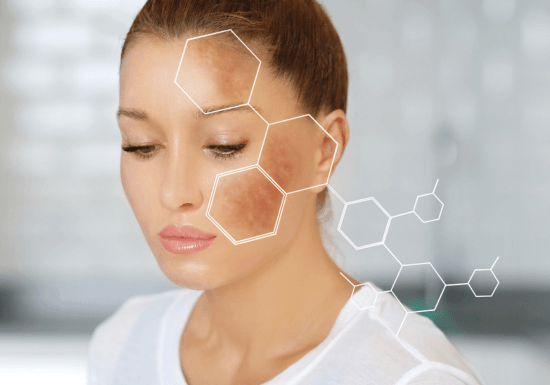
What causes or contributes to melasma?
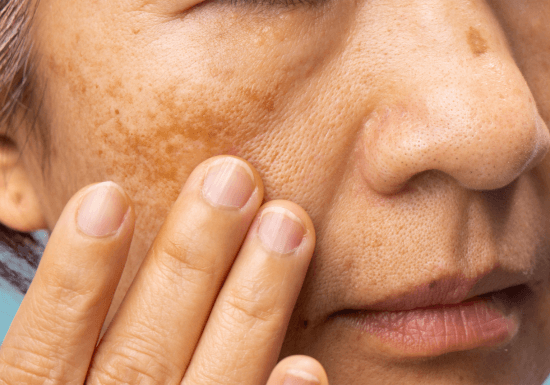
The exact cause isn't clear, but several factors are known to trigger or worsen it, and in most people more than one is at play.
- Genetics: melasma isn't directly inherited, but it often runs in families.
- Hormonal changes: increased estrogen and progesterone during pregnancy, perimenopause, or hormonal medications can overstimulate melanin production.
- Medications: some medications, including birth control pills, anti-seizure medications, and some that make the skin more sensitive to the sun, can trigger melasma
- Skin irritation: harsh skincare, skin injury, waxing, or chronic irritation can cause post-inflammatory hyperpigmentation, which can trigger or worsen melasma.
- Skin tone: deeper skin tones have more active melanocytes, which makes melasma more likely.
- Sun and heat exposure: UV rays activate melanocytes to release more pigment. Heat from saunas, steam rooms, and hot tubs can trigger inflammation, and blue light from screens may also contribute.
- Thyroid conditions: melasma has been linked to thyroid disease in some people.
How to tell if it's worth getting looked at
Ask yourself:
- Do you have brown or gray patches on your face or other sun-exposed areas that haven't faded?
- Do they darken in the sun or heat?
- Did they start with pregnancy, hormonal medication, or perimenopause?
- Have products or home remedies made them worse?
A yes to any of these is worth raising with a doctor. A proper diagnosis comes first, and some treatments aren't suitable during pregnancy or breastfeeding.

What Can Help
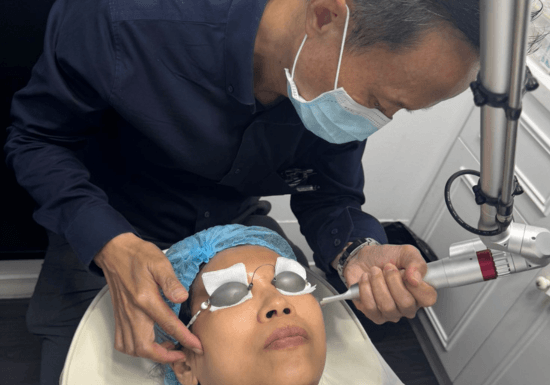
There is no one-size-fits-all approach to melasma. At Cutis, we plan our treatment around your skin type, how deep the pigment sits, what triggers it, and what you've already tried. It often combines more than one option alongside daily sun protection.
Medical (doctor-led)
- Azelaic acid and kojic acid: topical treatments may be prescribed to help lighten the patches. Kojic acid helps inhibit tyrosinase, the enzyme responsible for melanin production, while azelaic acid is used to target abnormal pigment cells in the skin’s upper layer.
- Hydroquinone: a skin lightening agent that comes as a cream, gel, or lotion. It works by inhibiting melanin production, targeting pigmentation at the deeper layers, and is a common first treatment for melasma.
Note: In Singapore it is available by prescription only and should be used under a doctor's supervision. It is not permitted in over-the-counter products and should only be used for a limited period. Prolonged or high-strength use can cause or contribute to the development of a bluish-black darkening of the skin called ochronosis.
Skincare and lifestyle
- Apply a broad-spectrum sunscreen of SPF 30 or higher every day. Tinted sunscreens containing iron oxide block visible light, which can help in melasma.
- Limit sun exposure during peak hours, roughly 10 am to 4 pm, and wear a brimmed hat, protective clothing, and UV-blocking sunglasses.
- Use gentle skincare. Products that burn or sting can cause irritation that may worsen melasma.
- Ask your doctor about skincare ingredients that help calm pigment production, such as azelaic acid, tranexamic acid, kojic acid, and arbutin, and antioxidants such as vitamin C, vitamin E, and ferulic acid.
- Avoid waxing areas affected by melasma. Laser or IPL hair reduction avoids the skin trauma waxing causes.
- Limit heat triggers, including saunas, steam rooms, and hot tubs.
- Avoid DIY remedies and aggressive topical products, which can irritate the skin and worsen the condition.
- Oral medications and supplements: certain medications help regulate pigment and reduce oxidative stress. They are often used alongside topical treatments and sun protection, and are prescribed by a doctor and taken under medical supervision.
Note: Oral medications are generally used off-label for melasma and aren't suitable for everyone. This includes people with a history of blood clots and those who are pregnant, so an assessment comes first. Pigment can return after it is stopped. - Pico Laser: uses ultra-short pulses of light to shatter pigment into smaller particles, so the body can clear them more easily. It's used when topical treatments haven't been enough. Lasers must be used cautiously and properly by a qualified professional, as improper settings or aggressive use can worsen melasma.
- Tretinoin and mild corticosteroids: a retinoid, which speeds up skin cell turnover, and a mild anti-inflammatory can help lighten the patches. Some prescriptions combine them with hydroquinone to reduce inflammation and even out skin tone. As prescription-only medicines, they are usually started gradually to limit irritation.
Aesthetic (therapist-led)
- Chemical Peel – peels are designed to improve pigmentation, fine lines, acne scars, and uneven skin texture. VI Peel Precision Plus is a peel formulated for pigmentation concerns including melasma, sun damage, and post-inflammatory hyperpigmentation.
What to Expect
Melasma is chronic and recurring, so treatment is about fading the patches and keeping them from worsening or returning, rather than a one-time fix. Improvement is gradual and usually comes from a combination of treatments plus daily sun protection.
The number of sessions, timeline, and any downtime depend on the treatments chosen and how deep and stubborn your pigmentation is, and your doctor will go through this with you before you begin.
Triggers such as sun, heat, and hormonal changes don't go away after treatment, so maintenance and consistent sun protection are part of the plan. If you're pregnant or breastfeeding, tell your doctor, since some treatments aren't safe at this time. Results vary from person to person.
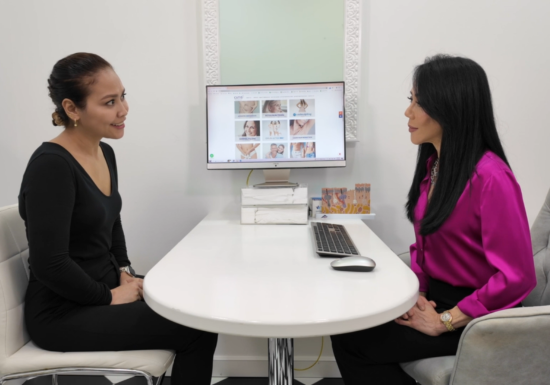
When Treatment Isn't the Answer
Melasma is harmless, and whether to treat it is a personal choice. If pregnancy or the pill is the trigger, it may fade on its own within months, so waiting can be a reasonable option, though it doesn't fade for everyone. If you're pregnant or breastfeeding, speak to a doctor before starting any treatment, as some aren't safe.
Patches that are changing, raised, itchy, or bleeding should be checked by a doctor first, since they may not be melasma. And treating melasma on your own with DIY remedies or aggressive products is best avoided, as it can irritate the skin and make the pigmentation worse.
FAQs
Does melasma go away on its own?
It can, when hormones are the main trigger. Melasma linked to pregnancy or birth control pills may fade after delivery, once breastfeeding ends, or after stopping the pills. For many people, though, it lasts for years, and a consultation can help work out which applies to you.
Can melasma be prevented?
Not entirely, since factors like genetics, hormones, and skin tone are outside your control. Daily sun protection, gentle skincare, and avoiding triggers such as heat can help keep it from getting worse.
Can I treat melasma with home remedies?
It's not advisable. DIY remedies and aggressive topical products can irritate the skin and worsen the condition. A doctor can confirm the diagnosis and recommend a treatment that suits your skin.
Is laser safe for melasma?
It can be used for melasma when topical treatments haven't been enough, but it must be used cautiously by a qualified professional. Improper settings or aggressive treatment can make melasma worse.
Is melasma treatment safe during pregnancy?
Some treatments aren't safe during pregnancy or while breastfeeding, so always speak to a doctor before starting any treatment.
Do I need sunscreen every day?
Yes. Sun exposure is one of the main triggers, and melasma can return or worsen without protection. A broad-spectrum sunscreen of SPF 30 or higher is recommended daily, and tinted formulas with iron oxide can help block visible light.
How much does melasma treatment cost in Singapore?
Cost depends on the treatments chosen and your individual plan, so it's best discussed during a consultation.
The information on this page is intended for educational purposes and does not replace a proper diagnosis. Every case is different, so the right next step is a consultation with our medical team.
Related Pigmentation Concerns
Ready to find out what's behind your pigmentation concern?
Book a personalized consultation with us to talk through what you're noticing and explore pigmentation treatment options that suit your skin and your goals. WhatsApp us at +65 9780 2079 to book a consultation at Cutis Medical Laser Clinics in Singapore.


