

Under Eye Hollows
A hollow, sunken look under the eyes can make you appear tired or older, even when you feel fine and well-rested. Unlike puffiness or eye bags, hollows aren’t caused by swelling; it's actually the opposite. The most common culprit is volume loss that leaves a visible groove or shadow where the cheek meets the lower eyelid.
This area is known as the tear trough, and it's one of the first places the face shows volume loss. Genetics, aging, and lifestyle factors can all play a part, which is why some people notice it far earlier than others.
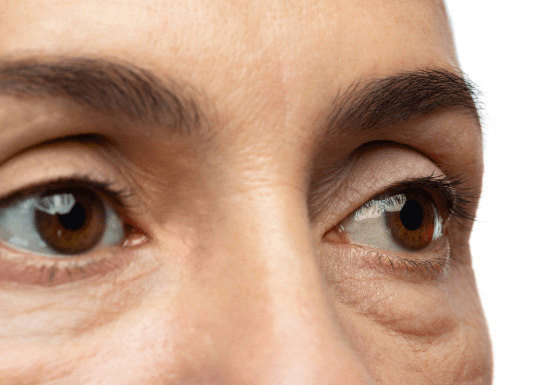

What are under eye hollows?
Also called tear trough hollows or sunken eyes, under-eye hollows are grooves or depressions in the skin between the cheek and the lower eyelid.
Aging is the most common cause, as volume loss in the mid-cheek removes some of the support that keeps the area smooth. Since eye bags, dark circles, and hollowing can all stem from this same underlying volume loss, it's common to notice more than one appear together.
Genetics plays a role too. Some people are simply born with less fat or thinner, more pigmented skin in this area, which can make the eyes look sunken even at a younger age.
What causes eye hollowing?
- Aging: gradual volume loss in the mid-cheek and under-eye area is a natural part of getting older.
- Allergies and sinus congestion: can contribute to a sunken, shadowed look, sometimes alongside dark circles.
- Genetics: hollowing under the eyes can run in families, and some people naturally have less fat or thinner, more pigmented skin in this area.
- Poor sleep: inconsistent or insufficient sleep can make the under-eye area appear hollower and more tired.
- Smoking: can affect collagen and elastin over time, contributing to a sunken appearance.
What can help
At Cutis Medical Laser Clinics, we take a layered, doctor-led approach to eye hollowing. Depending on the cause and severity, your doctor may recommend medical treatment, skin care, or lifestyle changes. For most patients, tear trough filler is the primary treatment option.
Medical (doctor-led)
Tear Trough Filler: a hyaluronic acid-based filler injected into the hollow between the cheek and lower eyelid to replenish lost volume. It can directly address the groove or shadow caused by volume loss.
For most patients, tear trough filler is the primary treatment option. Dark circles and eye bags often share the same underlying cause, and treating the tear trough can sometimes improve the look of neighboring concerns as well.
Your doctor may also recommend starting with volume in the cheek area first. This is because cheek support affects how the under-eye area looks, and treating both together tends to give a more balanced result than treating the tear trough alone.
Note: The tear trough is a technically demanding area to treat, and calls for a thorough understanding of facial anatomy. Filler is placed carefully along the natural bone beneath the eye, at a depth tailored to your individual anatomy.
Skincare and lifestyle
- Protect the area from sun exposure.
- Moisturize with a product suited to the delicate eye area.
- Stay hydrated, and limit alcohol and caffeine.
- Get enough, consistent sleep.
- Avoid or quit smoking.
- Cut back on your salt intake.
- Manage your allergies.
- Try sleeping on your back and place an additional pillow under your head to prevent the fluid from accumulating under the eyes.
What to Expect
Results from tear trough filler are typically visible almost immediately, with the product settling fully into the surrounding tissue over about two weeks. Depending on the type of filler used, results can last anywhere from 9 to 12 months, or sometimes longer.
Mild swelling or bruising at the injection site is possible for a few days afterward. Your doctor will go through what to expect for your specific plan during your consultation.
When Treatment Isn't the Answer
Tear trough filler isn't the right fit for everyone, and part of responsible care is knowing when to hold off. We may advise against it in certain situations:
- If the main issue is puffiness or fat protruding forward, instead of hollowing, filler won't help and can sometimes make the area look fuller.
- If the skin in the area is very thin or shows visible blood vessels, filler carries a higher risk of a bluish discoloration under the skin.
- If expectations go beyond what filler can realistically do. It softens hollowing and shadowing, but it won't erase every line, clear pigmentation, or replicate surgical results.
- If there's an active skin condition in the area, such as eczema, dermatitis, or infection, this needs to be addressed first.
- If there's existing filler in the area or a history of complications from previous treatment, this needs careful review, and prior filler may need to be dissolved before proceeding.
If we don't think treatment is right for you, we'll explain why and talk through other options where appropriate.
FAQs
Is tear trough filler safe?
When administered by a trained doctor, tear trough filler is a commonly used option for under-eye hollowing. As with any injectable, there are risks and considerations, which your doctor will go through with you during a consultation.
How long does tear trough filler last?
This varies by filler type and individual factors, but results generally last from 9 to 12 months. Your doctor can advise on what to expect for your specific treatment plan.
Can eye hollowing come back after filler wears off?
As filler gradually breaks down, the area will generally return to how it looked before treatment, rather than becoming worse. Many people choose to have touch-ups to maintain results.
How many sessions will I need?
Most people start with a single session, though this depends on your degree of hollowing and the result you're hoping for. Your doctor will outline a plan tailored to you after an assessment.
The information on this page is intended for educational purposes and does not replace a proper diagnosis. Every case is different, so the right next step is a consultation with our medical team.
Related Eye Concerns
Ready to find out what's behind your eye concern?
Book a personalized consultation with us to talk through what you're concerned about and explore the treatment options that suit your skin and your goals. WhatsApp us at +65 9780 2079 to book a consultation at Cutis Medical Laser Clinics in Singapore.

