

Freckles and Sun Spots
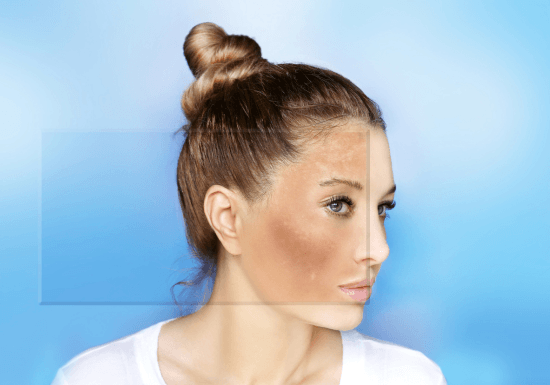
Do you have small brown spots across your face that seem to get darker after spending time outdoors? How about larger, flat patches on your face, hands, or shoulders that appeared over the years and haven't faded?
Freckles and sun spots are very common, and they're harmless. In countries where UV exposure is intense and year-round, like Singapore, they tend to darken and be more noticeable. But for most people, freckles and sun spots are a cosmetic concern, not a medical one.
Not all brown spots are the same. Freckles are small, often inherited, and tend to fade when you spend less time in the sun. Sun spots, meanwhile, are larger, caused by cumulative sun exposure, and don't fade on their own. Some brown spots can also turn out to be something else entirely, which is why the first step is working out what you're dealing with.
What are freckles and sun spots?
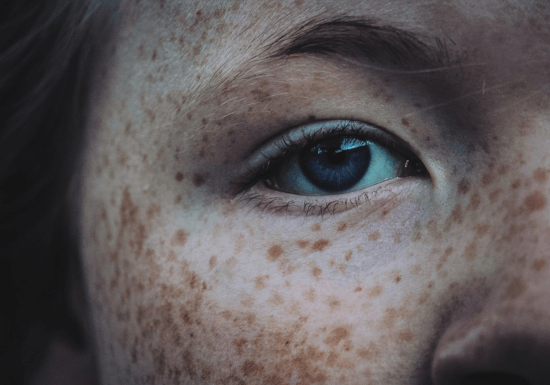
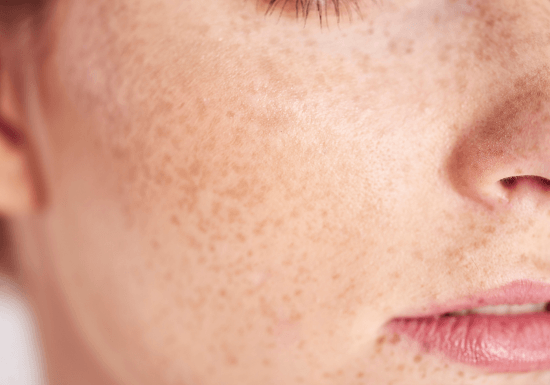
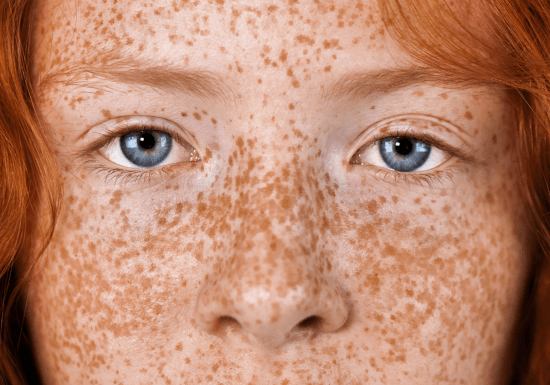
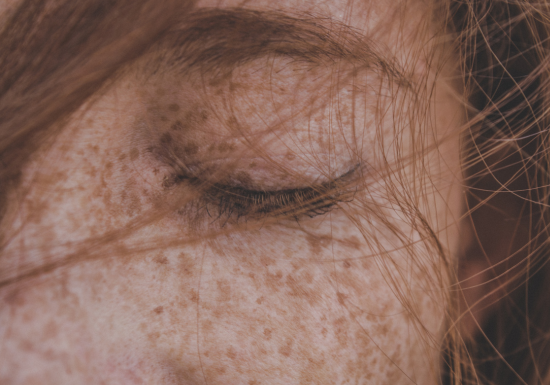
Freckles: small, flat spots that can be light or dark brown, depending on your skin tone. They are most common in people with fair skin, typically appear in groups, and are first noticed in childhood.
Freckles are strongly linked to genetics, in particular to variants of the MC1R gene. This means that if your parents have freckles, you're likely to have them too. Sun exposure activates them, which is why they tend to become more noticeable with more sun or during summer and lighter with less sun or in winter.
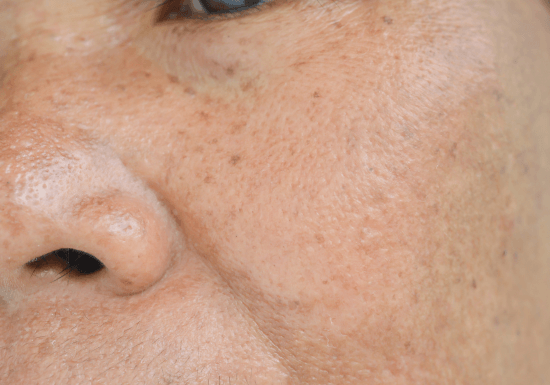
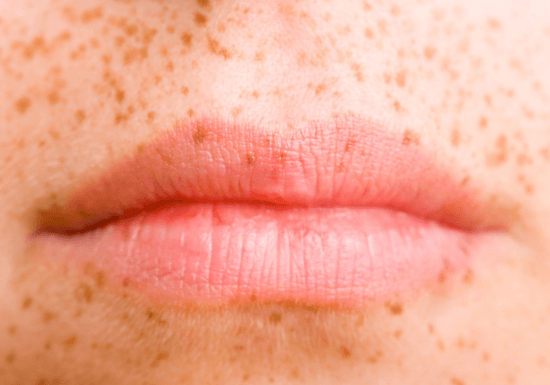
Sun spots: also called solar lentigines, age spots, or liver spots, although they have nothing to do with the liver. They're larger than freckles and appear as flat, tan to brown patches on areas that are commonly exposed to the sun. These include the face, shoulders, arms, and the backs of the hands.
Sun spots come from years of sun exposure rather than being directly inherited. They don't fade when you spend less time in the sun, and people of all skin tones can get them. Sun spots are most common after 40, and can appear earlier with heavy sun exposure.
Both form when skin cells produce extra pigment, called melanin, in response to the sun.
What causes or contributes to freckles and sun spots?
What causes or contributes to freckles?
- Genetics: variants of the MC1R gene are linked to freckles, which is why they often run in families.
- Skin and hair color: freckles are most common in people with fair skin and red hair. About 80% of people with red hair have freckles.
- Sun exposure: while sun doesn't create the tendency, it activates the pigment cells and makes freckles more visible.
What causes or contributes to sun spots?
- Age: sun spots become more common as you age and as sun exposure adds up.
- Cumulative sun exposure: UV rays damage skin cells, and the skin responds to it by overproducing melanin. Prolonged sun exposure can make spots larger, darker, and more prominent.
- Sunburns and tanning: repeated sunburns or deliberate tanning add to the damage and directly contribute to the formation of sun spots.
How to tell if it's worth getting looked at
Ask yourself:
- Are the spots small, in groups, and first noticed in childhood? Do they get darker with the sun and lighter with less? That mainly points to freckles.
- Are they larger, flat tan or brown patches on sun-exposed areas that appeared over the years and don't fade? You are most likely dealing with sun spots.
- Is any spot new, changing in size, shape, or color, with uneven edges, more than one color, or itching and bleeding? Have it checked by a doctor before considering any treatment.
Some brown patches that look similar, such as melasma or post-acne marks, are treated differently, so a proper diagnosis comes first.
What Can Help
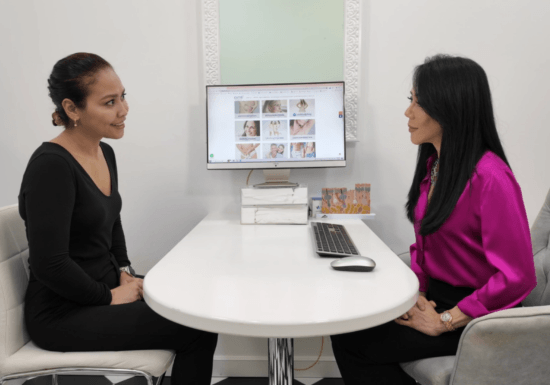
At Cutis Medical Laser Clinics, we start by confirming what your spots are, because treatment depends on the type of pigmentation and your skin tone. We take a doctor-led approach and often combine options with daily sun protection.
Medical (doctor-led)
- Laser Skin Resurfacing: uses pulses of light to remove a thin portion of pigmented, sun-damaged skin. The skin then forms a natural protective layer that peels off after about five to seven days, revealing fresher skin. It's used for sun damage, pigmentation, and fine lines.
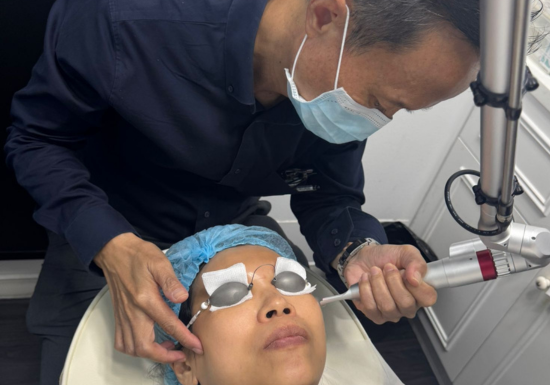
- Pico Laser: uses ultra-short pulses of light to break pigment into smaller particles the body can clear more easily. It can be used on well-defined spots such as freckles and sun spots. Treated spots may darken before they fade away.
Note: Lasers must be used cautiously and properly by a qualified professional. Improper settings or aggressive use can worsen pigmentation, particularly in medium to deeper skin tones.
Aesthetic (therapist-led)
- Chemical Peels: peels exfoliate the surface layers of the skin and encourage renewal. This can help lighten more superficial spots and even out skin tone. Cutis offers the Cutis Anti-Aging Peel (glycolic) and VI Peel, and the choice depends on your skin.
- IPL Photo Facial: uses intense pulsed light (IPL) to target pigmentation such as freckles and sun spots, and can be used on the face, neck, and chest. Treated spots darken at first, then flake off over about five to seven days. It must be used carefully in medium to deeper skin tones, and isn't suited to tanned skin.
- Microdermabrasion: gently exfoliates the top layer of the skin to remove dead cells and encourage renewal. As it works on the surface only, it suits mild pigmentation and dullness, and it's often used alongside other treatments.
Skincare and lifestyle
- Apply a broad-spectrum sunscreen of SPF 30 or higher every day, regardless of the weather. Reapply every two hours when you're outdoors, and immediately after swimming or sweating.
- Limit sun exposure during peak hours, roughly 10 am to 4 pm, and use an umbrella or seek shade when you can.
- Wear a wide-brimmed hat and wraparound sunglasses with UV protection.
- Use a vitamin C serum, which can support skin tone and help protect against sun damage.
- Avoid tanning, and avoid unregulated skin lightening creams, which may contain undisclosed steroids or mercury.
- Check your skin regularly, and have any new or changing spots looked at.
What to Expect
The number of sessions, timeline, and downtime depend on:
- The treatment
- How deep the pigment sits
- Your skin tone
With laser and light-based treatments, treated spots typically darken first, then flake off over about five to seven days. It is important to know that improvement is gradual, and results vary from person to person.
While the treatment can fade visible spots, it doesn't change the sun exposure or genetics behind them. New spots can still form, and freckles in particular can darken again with sun exposure.
Treated skin is also more sensitive to the sun for a while, so strict sun protection is part of every plan. Your doctor will go through what to expect for your plan before you begin.
When Treatment Isn't the Answer
Freckles and sun spots are harmless, and whether to treat them is a personal choice. Many people like their freckles, and freckles often fade on their own with less sun exposure and with age.
Any new spot, changing, uneven, more than one color, itchy, or bleeding should be checked by a doctor first. Sun damage increases the risk of skin cancer, and some skin cancers can look like brown spots, so a diagnosis should come before any cosmetic treatment.
Light-based treatments may also need to wait if your skin is tanned or irritated, and some aren't suitable during pregnancy. Your doctor will assess this at your consultation.
FAQs
What's the difference between freckles and sun spots?
Freckles are small, often inherited, usually appear in childhood, and fade with less sun. Sun spots are larger, come from years of sun exposure, appear later in life, and don't fade on their own.
Can freckles or sun spots turn into skin cancer?
Freckles and sun spots themselves are harmless. However, sun damage raises the risk of skin cancer, and some skin cancers can look like brown spots. This is why a spot that is new or changing should be checked by a doctor.
Will they come back after treatment?
They can. Treatment fades the spots that are there, but the sun exposure and genetics behind them remain, so new spots can form, and freckles can darken again. Daily sun protection is essential.
Do I need sunscreen every day?
Yes. UV levels in Singapore stay high all year, including on cloudy days, and sun is what darkens freckles and creates sun spots. A broad-spectrum sunscreen of SPF 30 or higher is recommended daily.
Can I fade them at home?
Sunscreen and vitamin C can help prevent new spots and support skin tone, but they are unlikely to fade established or prominent spots. DIY remedies such as lemon juice can irritate the skin and lead to more pigmentation, so it's best to see a doctor instead of experimenting.
How many sessions will I need?
It depends on the treatment, the type of spot, and your skin. Some spots respond within a session or two, while others need a course. Your doctor will outline a plan tailored to you after an assessment.
The information on this page is intended for educational purposes and does not replace a proper diagnosis. Every case is different, so the right next step is a consultation with our medical team.
Related Pigmentation Concerns
Ready to find out what's behind your pigmentation concern?
Book a personalized consultation with us to talk through what you're noticing and explore pigmentation treatment options that suit your skin and your goals. WhatsApp us at +65 9780 2079 to book a consultation at Cutis Medical Laser Clinics in Singapore.


