
3 Key Takeaways
- Pigmentation is a process, not just a surface stain. Dark spots come from melanocytes deep within the skin and are driven by inflammation, UV exposure, heat, and hormonal signals.
- Surface brightening alone leads to recurrence. Treatments that only fade visible pigment fail to regulate melanocyte activity, which is why pigmentation often returns darker or more resistant.
- Lasting clarity requires controlled, layered treatment. Sequenced combination therapy (addressing inflammation, pigment production, and skin renewal) delivers more stable, long-term results with lower risk of rebound.
Why “brightening” often fails
One frustrating thing about fading dark spots is that despite repeated pigmentation treatments, they still come back. And while you may be able to see improvements, they are, in many cases, temporary and uneven. There are also instances where they reappear after treatment or do not lighten at all.
The main reason for this is that many skin clarity treatments focus on the superficial stain or the visible spots. What many don’t realize is that many types of pigmentation sit in the deeper skin layers with internal root causes. It is both a biological process and a protective mechanism.
Continue reading as our aesthetic clinic explores the science of pigment control and skin clarity, as well as provides a brief rundown of your options for pigmentation treatment in Singapore.
Pigmentation is not just a surface concern
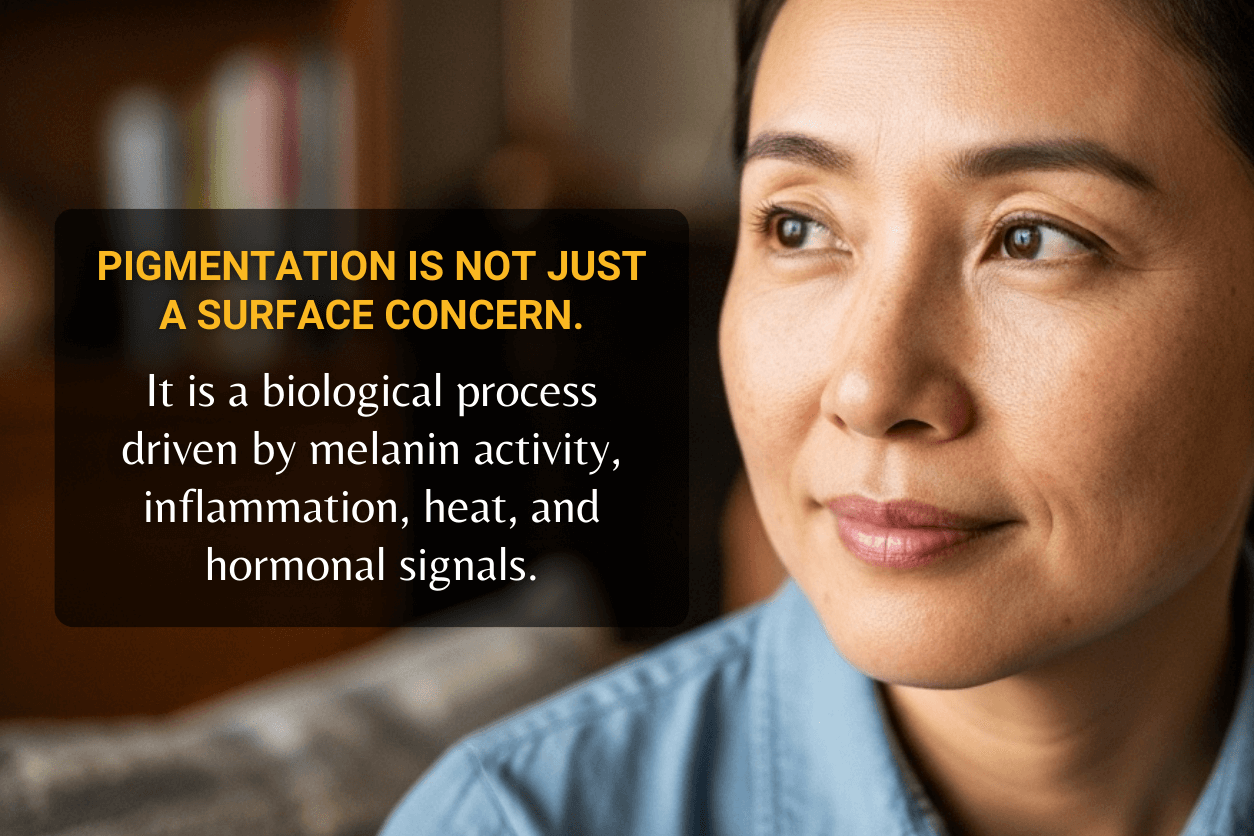
While pigmentation appears as dark spots on the skin surface, it is not just a surface concern. Here’s why:
- Cellular/deep origin – Pigmentation originates from melanocytes (pigment-producing cells), located on the basal or bottom layer of the epidermis.
- Protective defense – Pigmentation is a natural defense mechanism. Stress from UV rays, heat, and inflammation triggers the melanocytes to overproduce melanin to protect cellular DNA.
- A multi-stage process – Pigment forms beneath the skin before it shows up on the surface. The excess pigment can rise on the surface after days or weeks, appearing as age spots, melasma, or post-inflammatory hyperpigmentation.
- Biological process with different triggers – Pigmentation is driven by melanin activity, inflammation, heat exposure, and hormonal signaling.
It is important to address the underlying mechanisms to avoid pigment recurrence, which can sometimes be darker and more resistant.
The science behind recurrence: Why dark spots come back
Dark spots can return even after pigmentation treatment. Your lifestyle and hormones can all play a part, which is why it is important to take care of your skin and avoid things that can prevent further darkening.
- Sun exposure – UV rays stimulate melanocyte activity, causing dark spots to appear and darken existing pigmentation. Too much exposure can also negate the results of your pigmentation treatment in Singapore.
- Inflammation – Skin trauma due to acne, bug bites, existing skin conditions, or improper exfoliation creates inflammation that can cause PIH to come back or become more noticeable.
- Hormonal fluctuations – These can sometimes increase melanin production. Melasma (irregular patches of brown or brown-gray spots) is said to be due to hormone changes caused by pregnancy or medications like oral contraceptives.
- Aggressive or incorrect treatments – Stopping the treatment too soon or after noticing improvements can cause the spots to recur. Aggressive approaches or incorrect products may darken existing pigmentation and cause recurrence.
Surface lightening may fade existing pigment, but it does not address melanocyte activity that happens in the deep basal layer. This is why pigmentation often reappears after treatment.
Pigmentation that returns is incompletely treated and often due to biologically active, sensitized melanocytes. These cells can resume with the overproduction of melanin once treatment stops. Effective pigmentation treatment in Singapore must regulate melanin activity, not just remove visible pigment.
This approach is especially important in melasma management and uneven skin tone treatment.
Pico Laser: Correcting pigment without additional trauma
Some pigmentation treatments use high intensity energy with excess heat to target melanin. The problem with this is that it also causes inflammation or burns that can trigger rebound pigmentation. Pico laser pigmentation treatment uses ultra-short pulse durations to break down pigment mechanically instead of thermally.
How it works
- Laser energy is delivered into the skin, using pressure waves instead of heat.
- The pigments absorb the laser energy, which then shatters the pigments into finer particles.
- The body’s immune system attacks the pigment particles and removes them through normal processes.
Minimal heat diffusion protects surrounding tissue and reduces inflammatory response, lowering recurrence risk. This makes Pico laser pigmentation treatment in Singapore suitable for patients prone to pigment rebound or with sensitive skin types
At Cutis, we focus on gradual, controlled improvement over immediate results. We know that pigment correction protects long-term skin clarity rather than temporary fading or brightness.
For further reading:Debunking 7 Common Myths About Pico Laser Treatments
Surface renewal: The role of chemical peels
Chemical peels in Singapore use certain types of acids to remove the outermost, damaged layers of the skin. The chemical solution applied to the skin causes injury or trauma to the skin layers. These layers eventually peel off, unveiling a clearer and younger-looking complexion underneath.
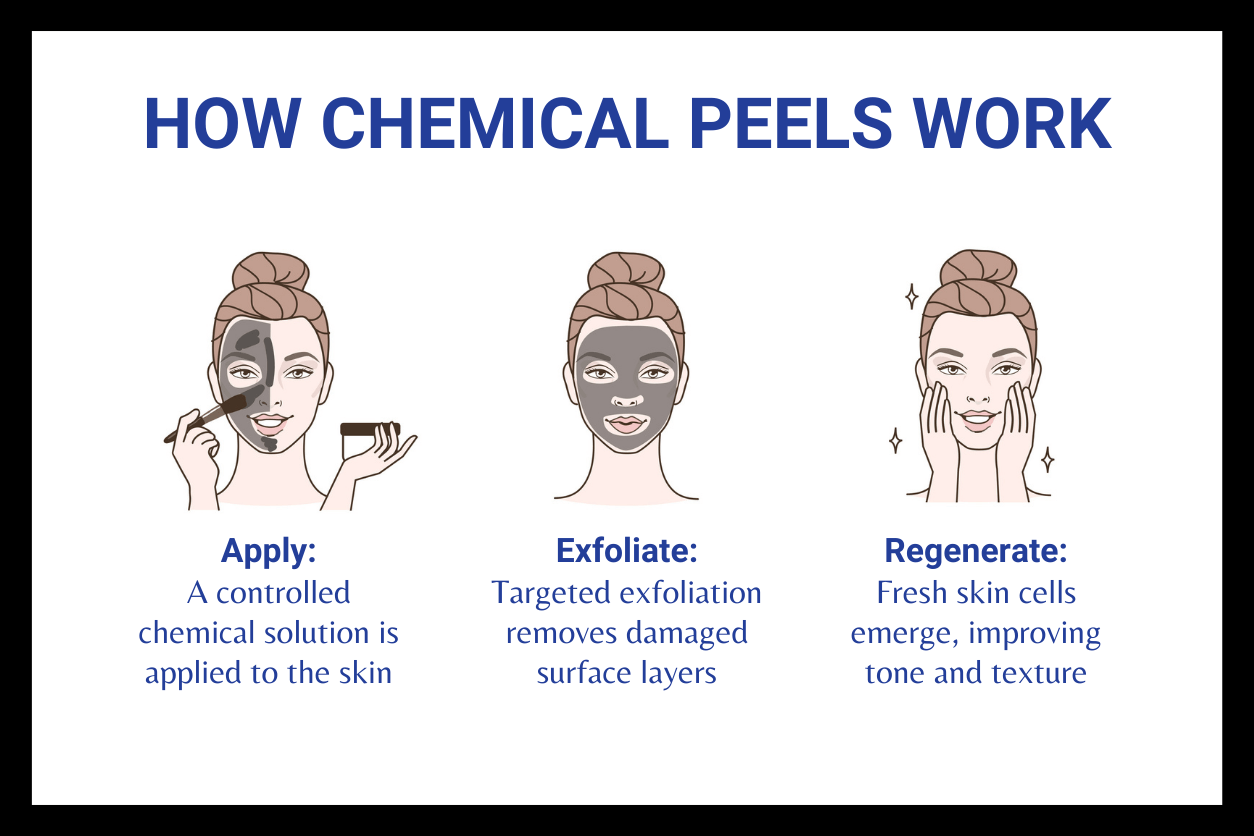
While some forms of pigmentation sit deep within the skin, others are more superficial. This means they respond well to improved epidermal turnover and barrier renewal. Medical-grade chemical peels, such as glycolic acid formulations, accelerate cell turnover, helping shed pigmented cells and improving overall skin clarity.
Moderation, of course, matters as over-peeling disrupts the skin barrier, increases inflammation, and undermines pigment control. Chemical peel treatment in Singapore is best suited when pigment is superficial and when the skin requires controlled renewal rather than deeper intervention.
Why combination therapy must be sequenced
As pigmentation does not always exist at a single depth, combination therapy can offer visible improvements with a lower risk of recurrence. It can target both superficial and deeper pigments, working together to maximize results.
- Lasers work deeper and break down pigment, making them effective for deep-seated pigmentation.
- Chemical peels increase cell turnover and refine surface irregularities.
- Clinical management or medical protocols regulate pigment production and inflammation.
Combination pigmentation treatment works best when sequenced thoughtfully. Proper timing reduces irritation, prevents pigment rebound, and improves long-term outcomes. This is essential for pigmentation recurrence prevention.
The skin reset philosophy
February is the ideal time to pause and reset. After the stress of the festive season, sun exposure, travel, and environmental changes, the skin often holds onto some inflammation that can trigger pigmentation. The goal is to:
- Calm inflammation
- Repair and strengthen the skin barrier
- Rebalance pigment activity
A proper skin reset helps stabilize the skin so it’s better prepared for more active treatments later without unnecessary risk. When it comes to pigmentation, progress begins with calm, consistent care, not aggressive approaches.
Book a pigmentation & skin clarity assessment
Struggling with pigmentation that just doesn’t seem to fade? At Cutis Medical Laser Clinics, we start by understanding why. Our assessment looks at the type and depth of pigmentation, identifies possible triggers, and creates a clear, long-term plan tailored to your skin.
WhatsApp us at +65 9780 2079 to learn more or book a consultation with one of our aesthetic doctors in Singapore.
- If you would like to be an informed patient, please contact us at +65-6801-4000 or
hello@cutislaserclinics.com. - Cutis Medical Laser Clinics, 9 Scotts Road Pacific Plaza, Scotts Medical Center #08-07, Singapore – 228210
+65-6801-4000 - hello@cutislaserclinics.com


